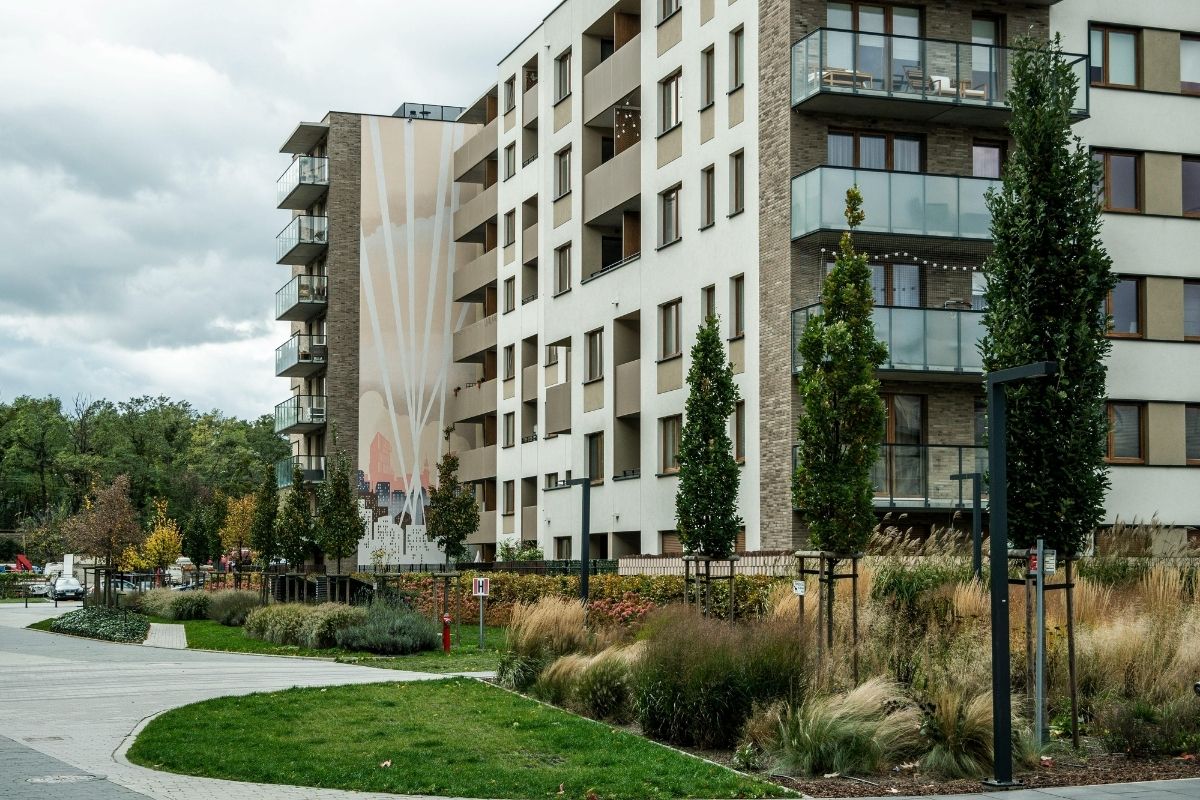
Imagine walking into your building and the space coming to life around you.
Soft lighting fills the room. Music fades in. The temperature settles to exactly where it should be - all without a single switch being touched.
Automation, done properly, is a beautiful thing. It’s the point where a space stops demanding attention and simply performs as it should.
At DASH Symons, we see automation as the quiet engine behind modern homes and buildings. Not a novelty. Not a gimmick. But a fundamental shift in how spaces perform, protect and support the people inside them.
Once installed, it becomes part of the fabric of the space.
One of the biggest misconceptions we hear is that home automation is about adding more tech.
In reality, it’s about removing friction.
True automation simplifies. It replaces multiple remotes, switches and apps with a single, intuitive system that works in the background. Lighting, power, climate, security and access are no longer isolated functions. They become part of one coordinated environment.
That’s what turns a collection of smart devices into a smart home or building.
Automation has a subtle but powerful impact on daily life.
Lights respond to movement. Outdoor areas come alive at sunset. Blinds open in the morning without alarms. Heating and cooling operate only when needed. The space feels calm, intentional and considered - because it is.
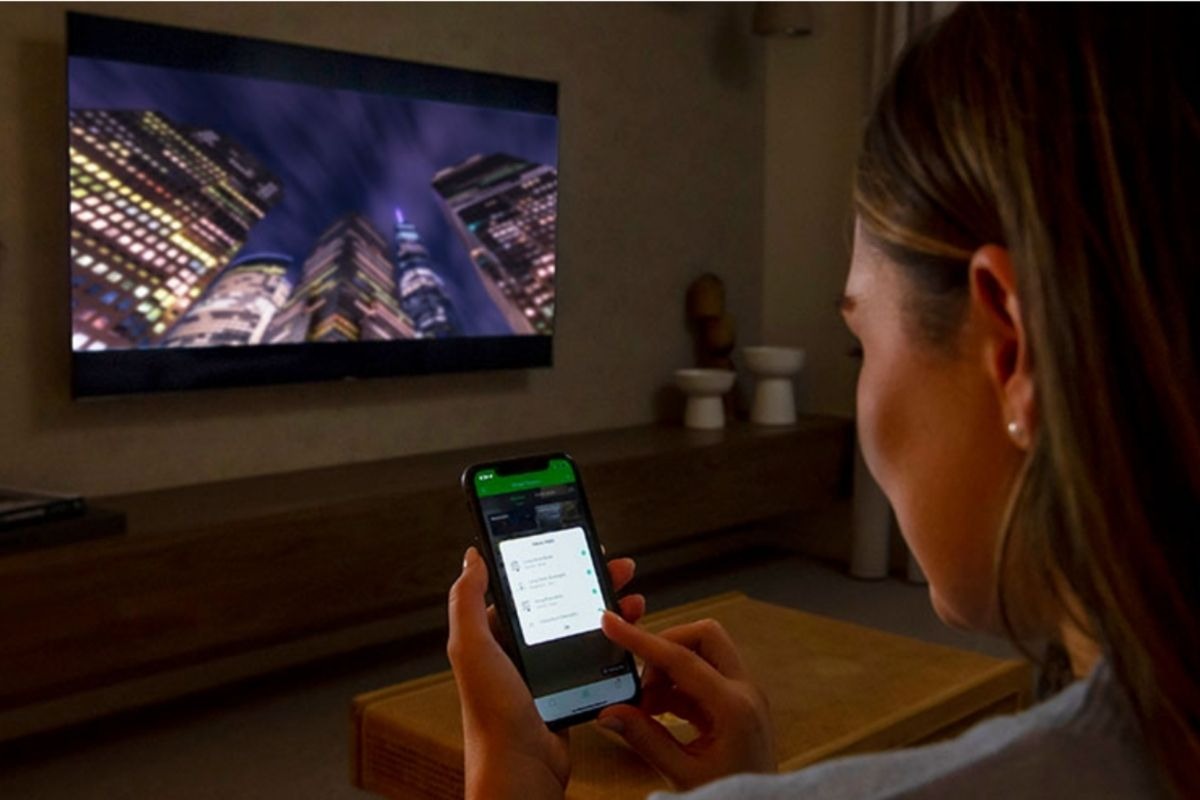
With smartphone-based home automation, control is always within reach. You can be on the couch, in the car or overseas - and in every case your system is accessible through a single app, giving you real-time visibility and control without complexity.
This is about more than pressing buttons; it’s about designing a space that works intuitively around you.
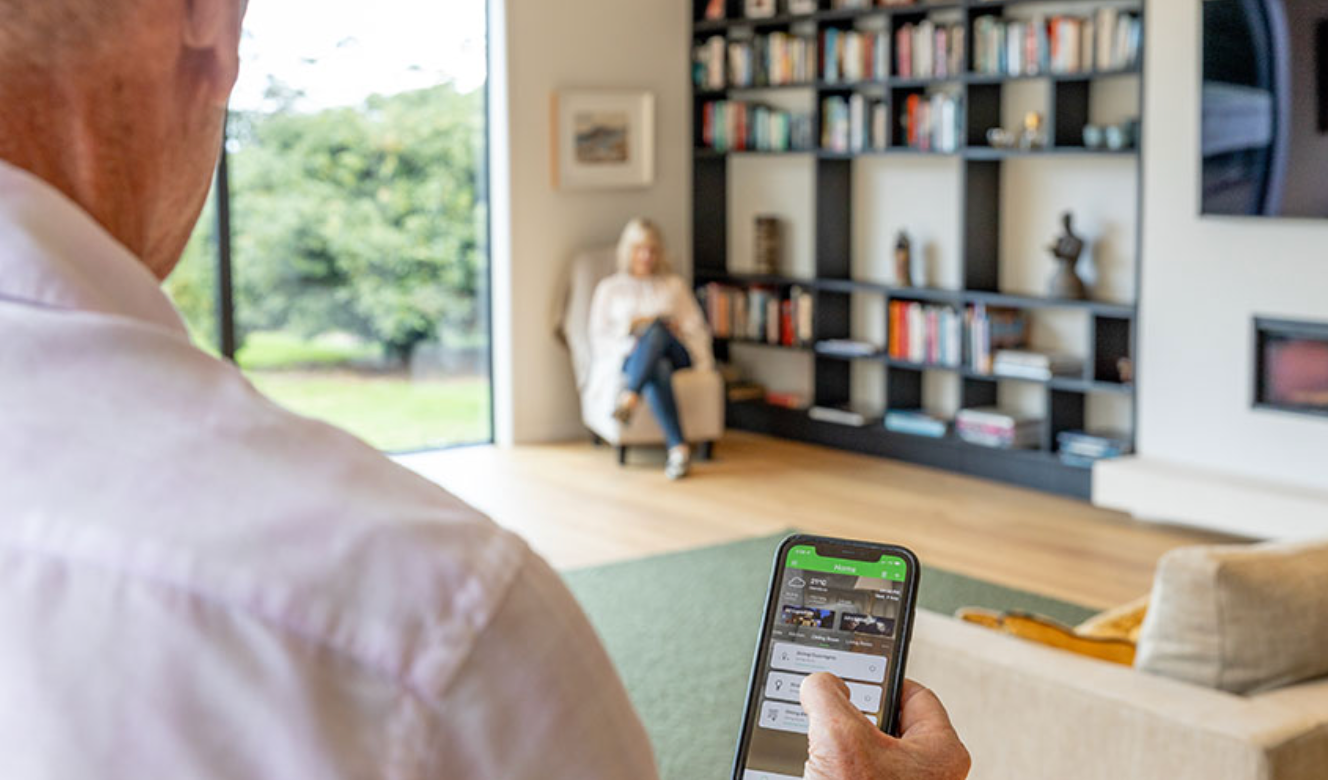
Where automation really comes into its own is when individual actions are linked together.
Instead of controlling devices one at a time, systems are designed around how you live or work.
An entertaining moment that sets lighting, adjusts blinds and starts music.
A morning routine that opens the house to natural light.
An evening setting that softens lighting and secures the property automatically.
True automation means these things happen without you thinking about them. Conditions are set. Logic is defined. The system responds exactly how and when it should.
This is the difference between smart features and a genuinely automated environment.
Automation plays a critical role in modern security.
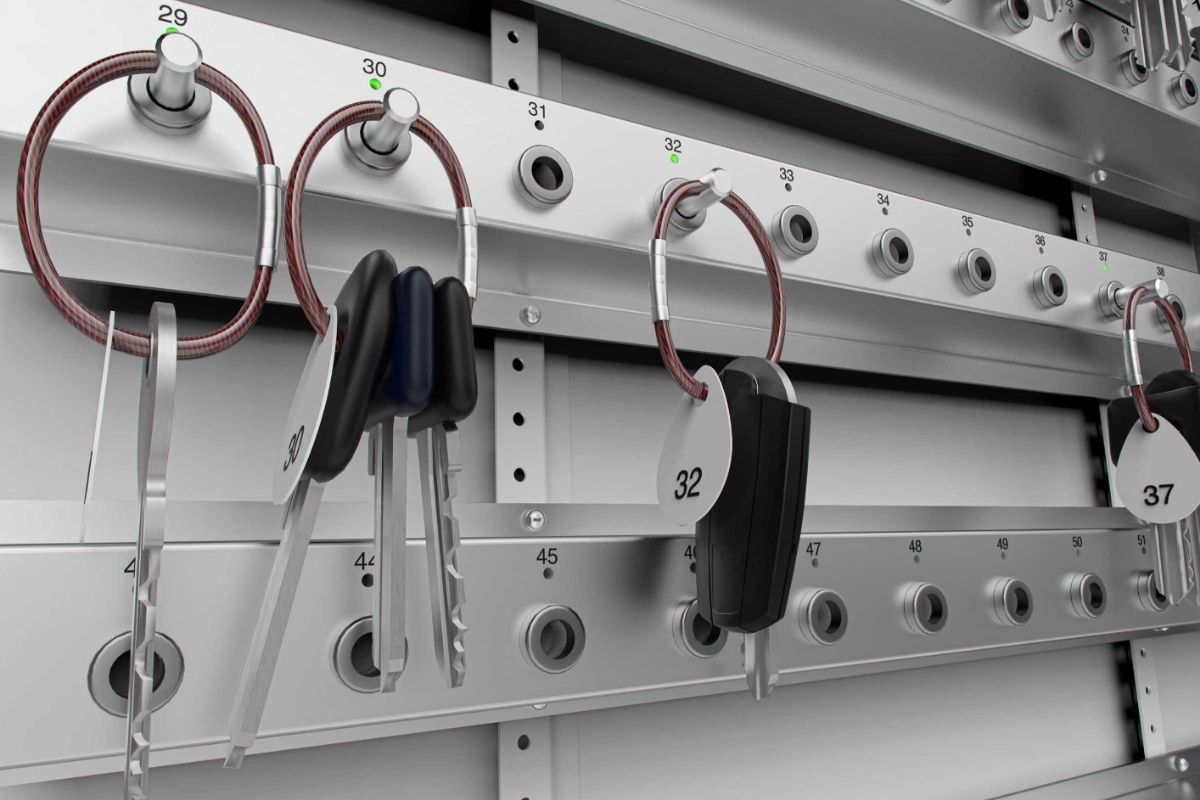
Lighting schedules create a lived-in appearance when you’re away, and sensors trigger lights and alerts when movement is detected. Access points and security systems integrate seamlessly with the rest of the home or building.
Homeowners want peace of mind.
Businesses, stratas and multi-dwelling environments need consistency, visibility and control at scale.
Automation doesn’t replace security; it enhances security by making the entire system more responsive and intelligent.
One of the most overlooked advantages of automation is how easily it can scale.
Many homes and buildings are already partially automated without realising it - timers, sensors, dimmers or smart switches are often the first step. From there, systems can be expanded gradually, room by room, function by function.
Automation can start small and evolve over time. New devices can be added, automations refined and moments customised as needs change.
That flexibility is what makes automation future-ready, not future-fixed.

While automation is often associated with homes, its impact is just as powerful in commercial and shared environments.
In offices, automation improves efficiency and energy management.
In hospitality and accommodation, it enhances guest experience.
In strata and multi-dwelling buildings, it delivers consistency and control across shared spaces.
For businesses, managing the first-in and last-to-leave routine can quickly become inconsistent without the right system in place. With intelligent automation, a single swipe of a fob reader can wake the building in the morning - activating lighting, signage and background music, ready for the day ahead. At closing time, lighting and non-essential power can be switched off automatically while CCTV and alarms are armed in one seamless action.
The same principles apply - design first, technology second, performance always.
Automation works best when it’s designed intentionally.
Understanding how a space is used, where control is needed and how systems should interact is what separates seamless automation from reactive upgrades.
This is where experience matters.
Automation delivers the best results when considered early in a project, but with the right design and planning, it can be integrated just as seamlessly at any stage.
One service that really shines in this arena is Clipsal - offering a full menu of services through their Wiser Home Automation suite of technologies.
Automation is already redefining how modern homes and buildings operate - and the Gold Coast is already setting high standards in this space.
It’s a deliberate shift - where spaces function by design instead of by default.
Systems work quietly in the background instead of demanding attention.
At DASH Symons, we approach automation the same way we approach every system we design - with longevity in mind. It has to integrate cleanly, perform reliably and still make sense years from now.
When it’s done properly, automation doesn’t feel technical. It feels intentional.
And once it becomes part of how your space functions, there’s no going back.