It’s 2:17am.
Not 2:15. Not 2:30.
2:17.
That oddly specific time where your brain is deep enough into sleep that you’re completely disoriented, but just awake enough to know something isn’t right.
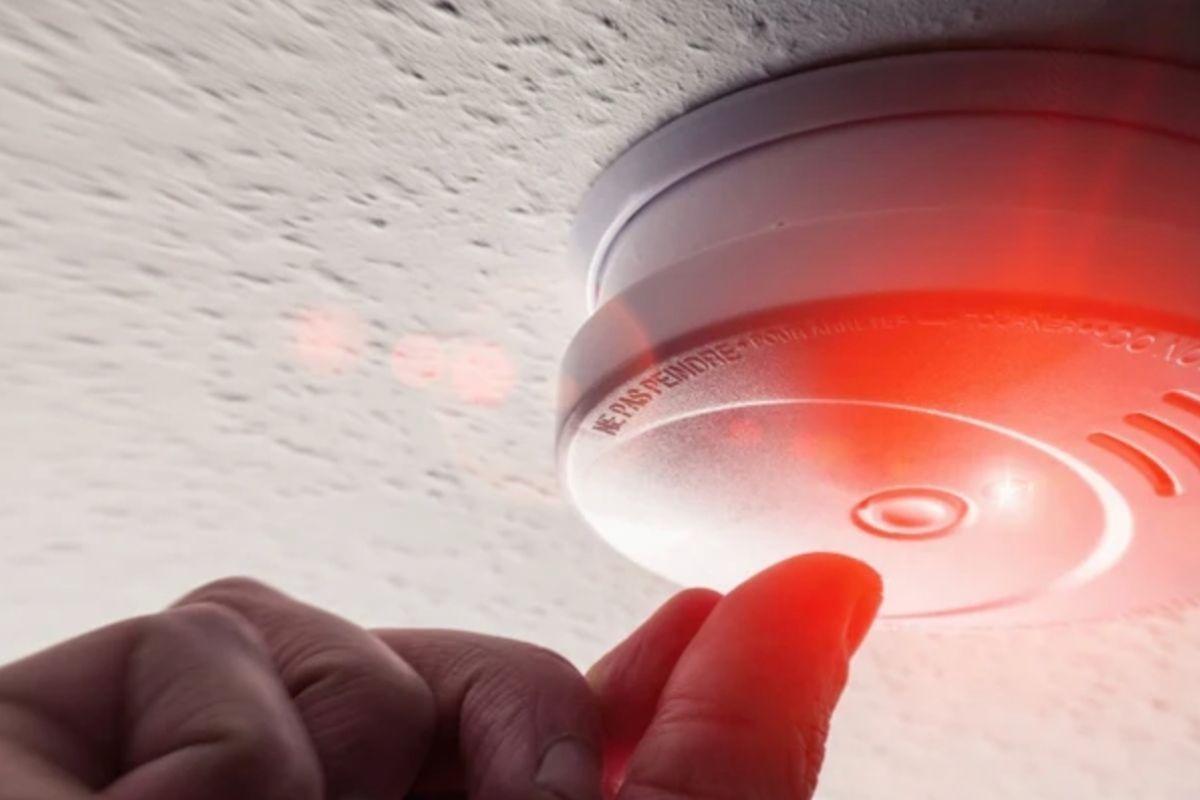
Chirp.
You open one eye.
Silence.
You close it again.
Chirp.
There it is.
Sharp. High-pitched. Impossible to ignore once you’ve heard it.
You sit up.
Was that inside? Outside? Next door?
You wait.
Nothing.
You lie back down.
Chirp.
Now you’re fully awake.
You stumble through the hallway, half-asleep, trying to work out which smoke alarm is responsible. Every ceiling looks identical. Every room suddenly feels too quiet.
Kitchen? No.
Hallway. Maybe?
Bedroom? Definitely not… hopefully not.
You stand there, staring up at the ceiling like it’s going to confess.
Chirp.
There.
Somewhere between the hallway and the living room.
You grab a chair. Then a second chair because the first one feels… questionable.
You climb up.
Battery cover off.
No battery.
Of course.
Back down. Through drawers. Through that one cupboard where everything ends up.
Find a battery.
Back up.
Replace it.
Silence.
You climb down, satisfied. Slightly proud even.
You crawl back into bed.
Close your eyes.
Chirp.
From the other end of the house.
Everyone’s had some version of this moment.
The late-night chirp.
The mystery alarm.
The “I’ll deal with it tomorrow” promise.
But here’s the part most people don’t realise:
That chirp?
It’s the first sign that something isn’t quite right.
And in Queensland, that “not quite right” can mean something much bigger than a flat battery.
Complications with insurance. Possible fines. And the real risk of having a smoke alarm that doesn’t do its job when it matters most.
Queensland’s smoke alarm laws have changed.
Completely.
By 1 January 2027, every home in Queensland must meet new compliance standards.
That means:
It’s no longer about having a smoke alarm.
It’s about having a system that works properly, across the entire home.
This is where things start to shift.
Because once you move beyond a single alarm on the ceiling, you’re dealing with:
Some homes can use sealed 10-year battery alarms.
Others - particularly larger homes, renovations or upgrades - require hardwired systems, installed by a licensed electrician.
It’s not complicated when it’s planned properly.
But it’s not something you want to figure out at 2:17am either.
Most homes we walk into aren’t compliant.
Not because people don’t care.
Because:
One alarm becomes three.
Three becomes six.
And suddenly it’s not a quick fix anymore.
It’s a system.
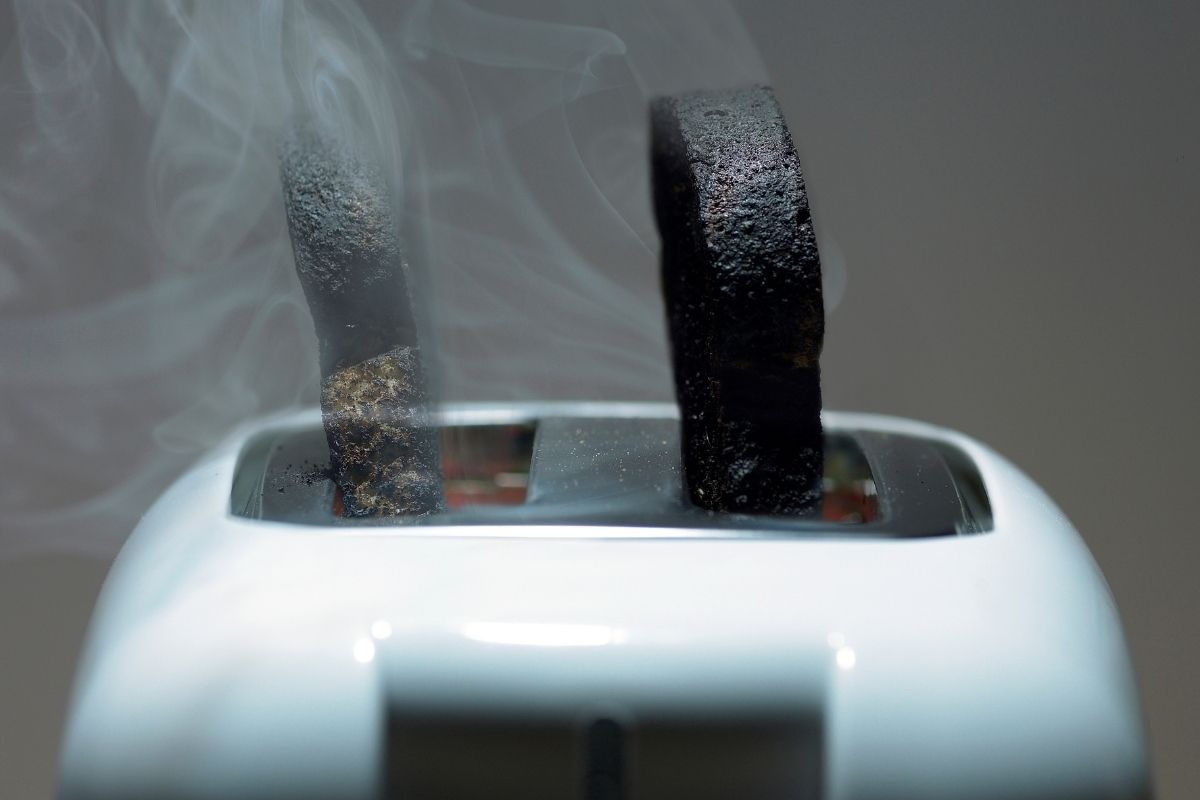
Smoke alarms going off unexpectedly can be annoying.
Especially when it’s triggered by something as innocent as making a piece of toast.
But - there are times when smoke alarms go off because something bad is about to happen.
It’s a warning, and one that can’t be ignored.
In a real scenario, you don’t get a second chance to “sort it out later”.
That’s why the shift to interconnected systems matters.
Because:
The whole house responds - and you have time to respond appropriately as well.
Thankfully, our smoke alarm systems take the guesswork out. We’ll set things up so that you can quickly identify which alarm is going off and silence false alarms from a single wall-mounted button.
In larger homes, hardware like this becomes especially valuable as more alarms are added to meet compliance requirements.
Deadlines are approaching.
Homes are changing hands.
Leases are being renewed.
And across Queensland, a lot of properties still aren’t where they need to be.
If your current setup feels more like a collection of alarms than a connected system, it’s time to upgrade and get compliant.
1 January 2027 is when the law comes into effect - but most electricians will be well and truly into their summer break by early to mid-December. And with the rise in EV charger installations and CCTV security systems, calendars are already filling up well before then.
If you have any questions or want to chat, we’re always here - info@dashsymons.com