There's a lot of noise around AI.
"AI-powered" has become the tech industry's version of "organic".
It's everywhere.
And in fairness, some products are doing remarkable things.
Others seem to have slapped "AI" on the box because everyone else is doing it.
When it comes to security, where does AI actually earn its place...
...and where is it just another shiny feature?
Let's clear this up first.
AI security isn’t replacing people.
It's helping people to make faster, better-informed decisions.
For years, CCTV was brilliant at recording everything. That might sound like the most important part of its job - but ask anyone who's spent an entire hour searching for one tiny moment of footage, and they'll probably tell you otherwise.
The recording is just the beginning. The searching is where the hard work begins.
Every security guard knows the frustration of finding that elusive five seconds, hidden somewhere deep within a day (or week) of security footage, when that thing happened.
If you've ever found yourself muttering, "I know it happened sometime after lunch..." while dragging a timeline backwards and forwards, you'll understand.
Enter AI video searching.
Instead of replacing security guards, AI is taking away one of the most tedious parts of the job - endlessly scrubbing through footage looking for a single moment in time.
AI can rapidly find - and often with astounding accuracy - those scenes in which a particular movement or activity happened.
Leaving people free to focus on the things humans are innately good at: judgement, context and decision-making.
Imagine somebody tells you,
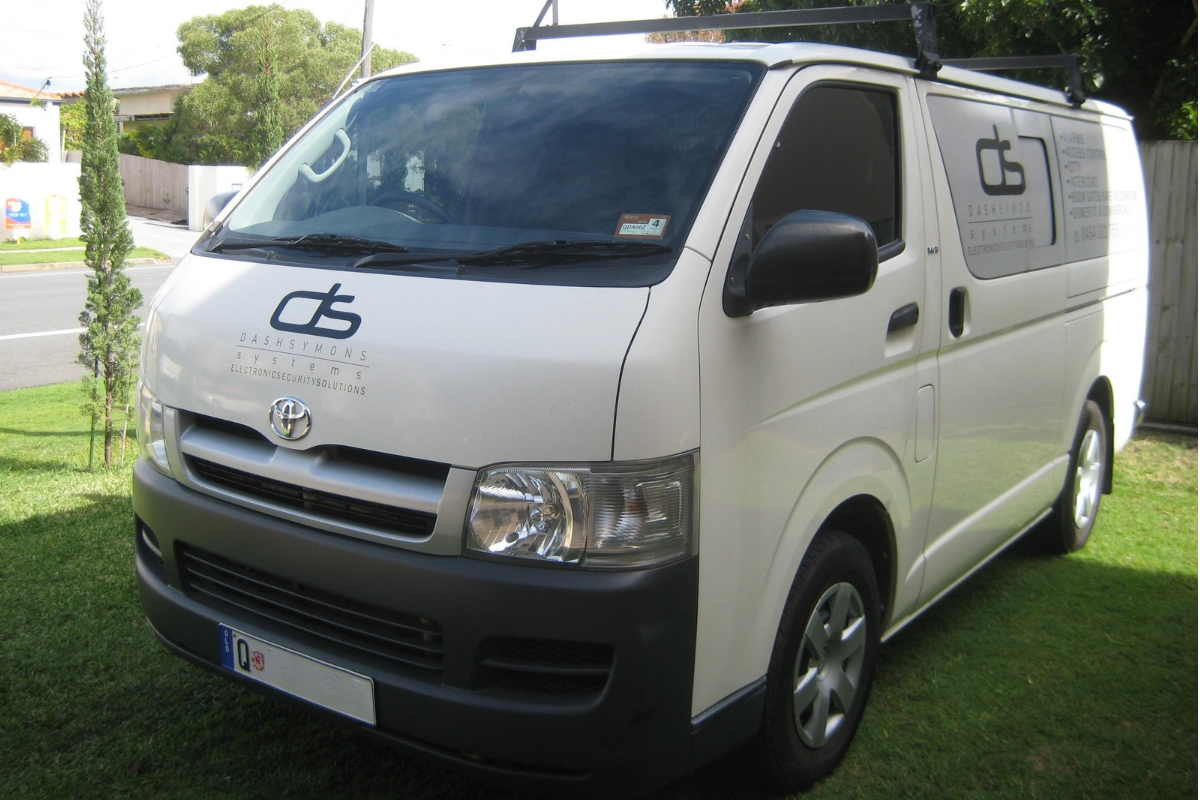
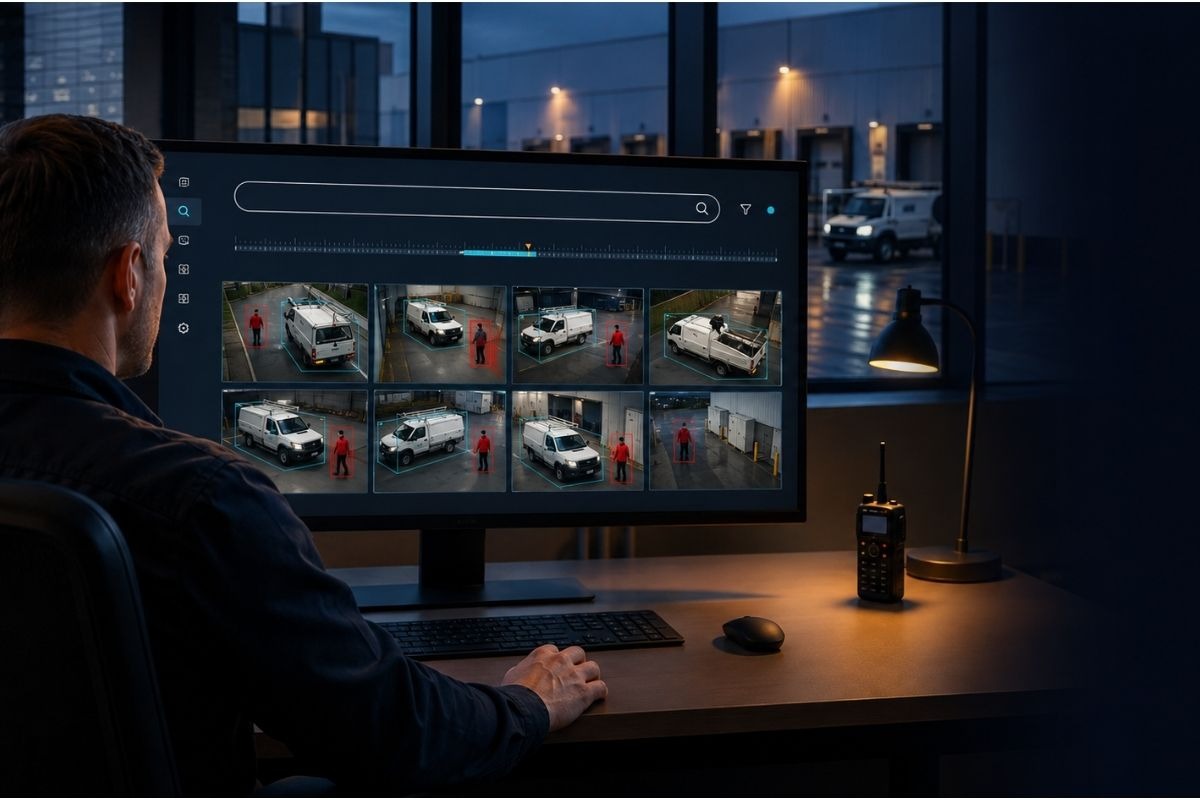
"A white ute arrived sometime yesterday afternoon."
Traditional CCTV?
Good luck. Start scrolling now, you’ll be here a while... and try not to blink.
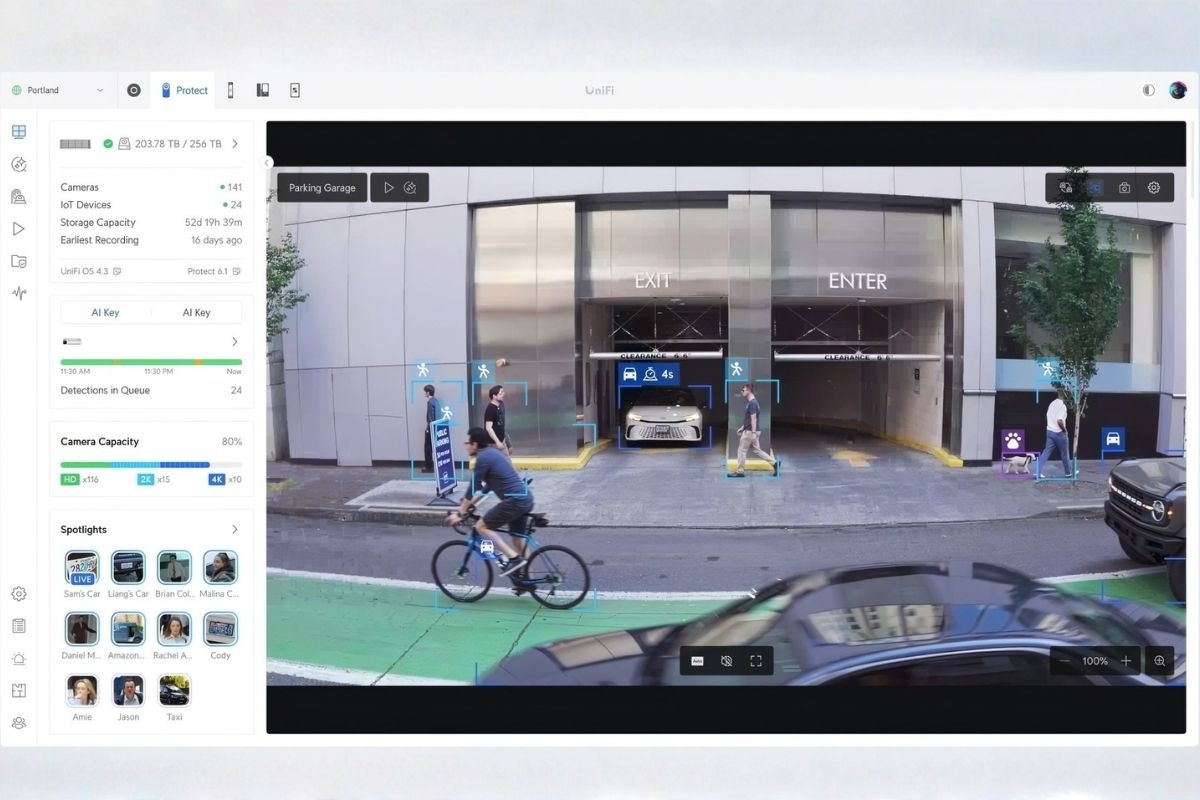
Modern AI-powered systems can search for vehicles, registration plates, people, or even movement in a particular part of the image.
Platforms such as Hikvision AcuSense, Axis AI and UniFi Protect can narrow the search dramatically, helping you find the footage you're looking for in a fraction of the time.
Because your afternoon is probably better spent doing almost anything else.
Traditional motion detection was... enthusiastic.
A branch sways in the breeze.
Alert.
A shadow moves across the driveway.
Alert.
Your cat wanders through the backyard.
Alert.
It starts raining.
Alert.
After a while, it became a classic case of The Boy Who Cried Wolf.
Every alert started feeling like another false alarm.
Then the day came when one wasn't.
Modern AI cameras are far better at recognising the difference between people, vehicles and animals, dramatically reducing false alarms and helping ensure the alerts you do receive are the ones worth paying attention to.
There was a time when unlocking your phone with your face felt mind-blowing.
Now, it's pretty vanilla.
Still using a PIN to unlock your screen? Back to 2012 with you.
The same evolution is happening with access control.
Walking up to a wall-mounted keypad and punching in a PIN is becoming the access control equivalent of using a DVD player.
Swipe cards and key fobs are gradually giving way to newer technologies.
And reaching for a traditional key to unlock the front door? If we're being honest... it already feels a little nostalgic.
Facial recognition is rapidly changing the way people access buildings, with technologies like smart intercoms and Apple Wallet access also making traditional keys and cards feel increasingly unnecessary.
For businesses, apartment buildings and commercial facilities, it's also removing a large serving of administration.
No more chasing former tenants for building keys or former staff for access cards.
No more ordering expensive replacement keys, or worse, rekeying an entire building after a security breach.
Everything can be managed from an app, complete with a clear record of who's entered the building, where they've been authorised to go, and when they arrived.
You've seen this before.
You pull up to the boom gate.
Wind down the window.
Stretch just a little too far.
Grab the ticket and hold on for dear life as the wind does its best to launch it into the next postcode.
Fast forward a few hours.
Retail exhaustion has well and truly set in.
You finally find the pay station.
Join the queue of cars trying to leave.
Patiently wait while Doris in front of you searches every pocket in her handbag for her ticket.
It's finally your turn.
You roll forward...
...and your ticket is nowhere to be found.
Modern number plate recognition removes the whole performance.
As your vehicle approaches, the system recognises the number plate and opens the gate automatically for authorised vehicles.
No tickets.
No remotes.
No swipe cards.
No leaning halfway out the window hoping the reader works this time.
For businesses, apartment buildings and industrial sites, it also creates a clear record of exactly when vehicles entered and left the property.
Which means the only thing you'll need to remember next time...
...is where you parked.
Here's one you might not have expected.
Security cameras are now helping with timesheets.
On construction sites and other workplaces, AI-enabled cameras can automatically record arrivals, departures and time spent on site, creating an accurate attendance record without someone chasing sign-in sheets or manually checking who was on site and when.
It's another example of AI stepping in to handle the repetitive administrative jobs, leaving site managers free to get on with running the site instead.
After all that, where did we land?
Game changing?
In some ways, yes.
Just not in the way Hollywood promised.
AI isn't here to replace security guards or patrol buildings with robots.
It's helping people spend less time searching, scrolling, filtering and second-guessing.
Finding footage in minutes instead of hours.
Knowing the difference between a pet and an intruder.
Opening the gate for the right car.
Recognising the right face at the front door.
None of those features will make the evening news on their own.
But put them together, and they remove a whole lot of the repetitive, frustrating jobs that have come with managing security systems for years.
And if AI can stop you... or Doris... from holding everyone up at the boom gate...
...we're all for it.