Campus communication systems are the technology platforms that manage daily announcements, emergency alerts, and two-way communication across your facilities. A modern system combines public address (PA) systems, intercoms, and security integrations to keep students, staff, and visitors informed and safe.
What Modern Campus Communication Systems Include:
Many institutions still rely on outdated communication methods. While 98% of text messages are read, email open rates sit at just 26.8%. Relying on a single channel like email means critical information can easily be missed. This is especially true during an emergency, where fast, reliable communication is a matter of safety, not convenience.
Modern systems solve this by unifying multiple communication channels into a coordinated platform. Instead of juggling separate systems for bells, announcements, and security, you can manage everything through one interface. This approach reduces response times, improves daily efficiency, and provides the clear communication everyone on campus expects.
I'm Dave Symons, Managing Director at DASH Symons Group. For over 16 years, we've designed and integrated campus communication systems for large facilities across Queensland. We understand how to make these systems work seamlessly with your existing security infrastructure, network cabling, and access control platforms to deliver reliable communication when it matters most.
Investing in a modern campus communication system delivers benefits that go far beyond simple announcements. These systems can transform your institution's operations, making it safer and more efficient.
First, they improve daily operations. Imagine a system that automates bell schedules and allows for instant classroom-to-office communication. This frees up administrative staff from manual tasks, allowing them to focus on more important work. From routine schedule changes to coordinating staff across multiple buildings, a unified system makes the day-to-day run smoother.
Second, they improve safety and security. By integrating communication tools with your security systems, you create a more responsive environment. An alert from one system can trigger an action in another, ensuring a coordinated response during any incident. When your staff and students feel informed and secure, they can focus on what they do best.
While often used together, Public Address (PA) and intercom systems have distinct roles. Understanding the difference is key to designing a comprehensive communication strategy.
Public Address (PA) systems are one-way broadcast tools. Think of classic loudspeaker announcements. They are ideal for:
Intercom systems provide two-way communication. They allow for interactive dialogue between specific points, like a classroom and the main office, or an entry gate and a reception desk. This makes them essential for:
Here’s a quick comparison:
| Feature | PA Systems | Intercom Systems |
|---|---|---|
| Communication Type | One-way broadcast | Two-way interactive |
| Primary Use | General announcements, alerts | Direct communication, visitor screening |
| Audience | Large, general | Specific individuals or locations |
| Integration | Bell schedules, alarm systems | Access control, paging, surveillance |
Modern campus communication systems integrate both PA and intercom systems into a unified platform. This combines the reach of broad announcements with the precision of targeted, two-way conversations.
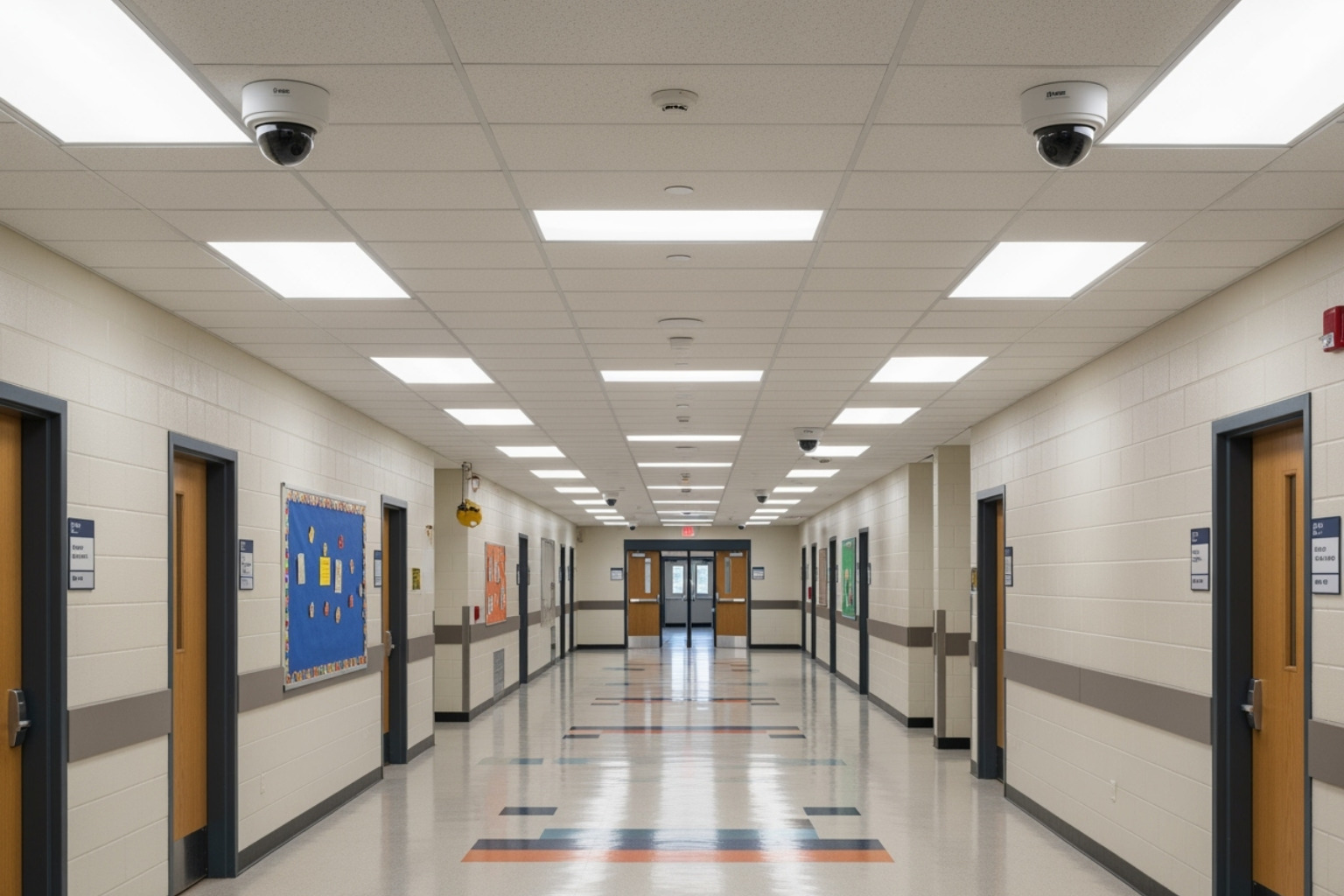
An effective campus communication system is more than just speakers and screens. It’s a planned network that connects different technologies into a unified, responsive environment. Think of it as the nervous system of your campus—connecting every building and classroom so they can respond together when it matters.
For large institutions, this interconnected approach is essential. Your communication system needs to work hand-in-hand with your security cameras, access control, and alarm systems. That's why a robust network infrastructure solution forms the backbone of any comprehensive communication strategy.
When we design these systems, we focus on a few critical elements: emergency response, seamless system integration, scalability for future growth, and unwavering reliability.
With thousands of lockdowns reported in schools each year, effective communication during a crisis is critical. Modern campus communication systems transform how institutions respond to emergencies like lockdowns or severe weather.
The key is layered communication—using multiple physical channels to ensure everyone gets the message. This means broadcasting alerts through PA systems while using intercoms for targeted, two-way coordination with staff or first responders.
Modern systems also include panic buttons that staff can use to instantly alert security and trigger automated protocols. When a button is pressed, the system can initiate a lockdown, broadcast pre-recorded instructions over the PA system, and send alerts to security teams. Every second counts, and automation ensures the response is immediate.
Our integrated security solutions connect these tools to your broader security infrastructure. When your alarm systems detect a threat, your communication system can automatically broadcast relevant messages. At the same time, your CCTV systems provide live feeds to help responders understand what’s happening in real-time. This integration dramatically reduces response times and gives everyone the information they need to make smart decisions.
Selecting the right campus communication system means looking for features that genuinely improve safety and efficiency. Here are the key features we believe make a real difference.
Implementing a new campus communication system is a significant project, but with careful planning, it can be a smooth process. We approach every project with a focus on seamless integration and future-proofing, ensuring your investment serves your campus for years to come.
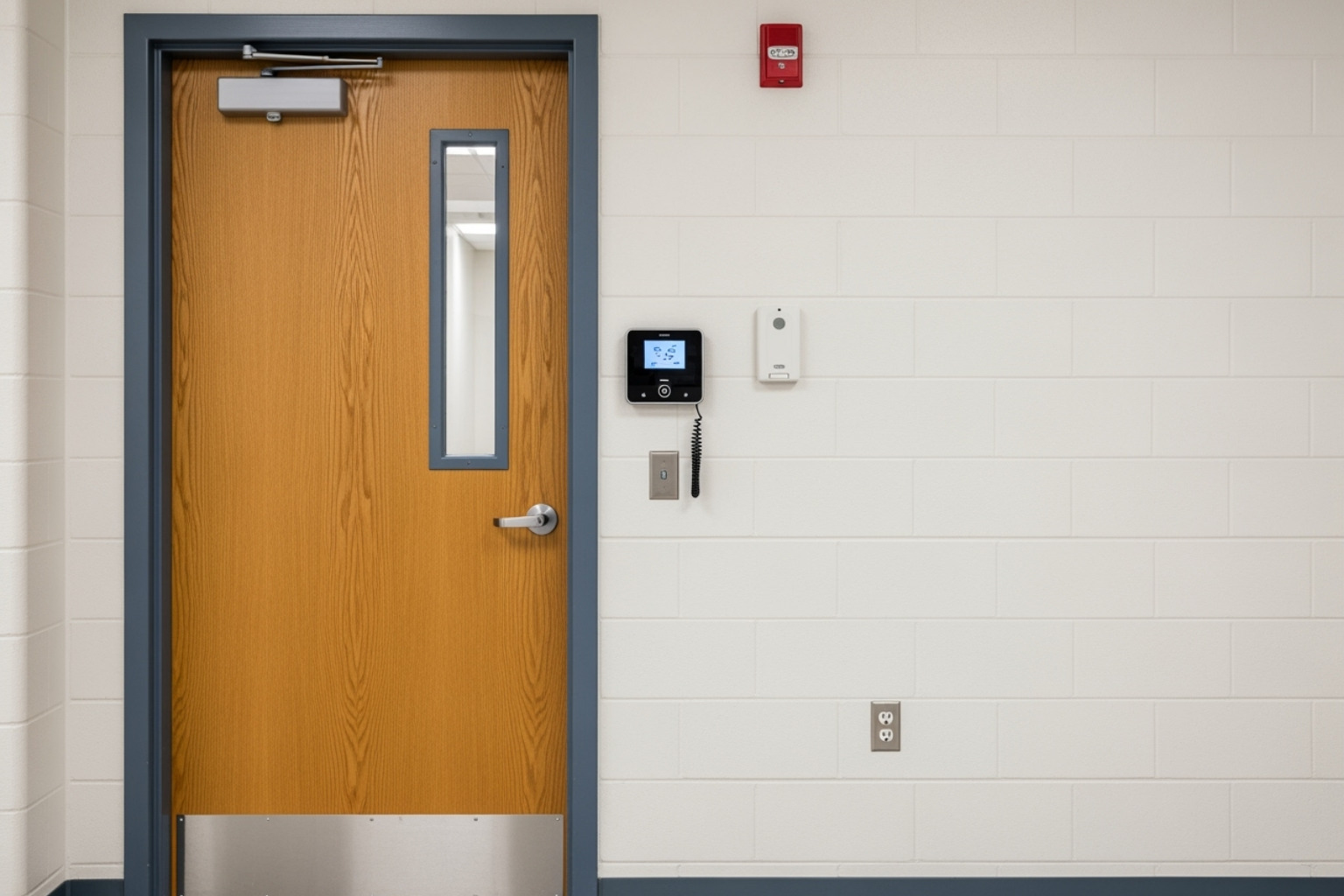
Your new communication platform is only as strong as the network that supports it. Our expert network implementation services ensure your system is thoughtfully integrated into your existing infrastructure. We've spent over 16 years helping organisations across Queensland build technology systems that work together, and we know that proper planning makes all the difference.
For school leaders, investing in a new communication system involves several critical considerations to ensure a successful deployment.
The future of campus communication systems is being driven by smarter integrations and cloud technology, making interactions more immediate and intelligent.
Cloud-based solutions offer incredible flexibility. Cloud management allows administrators to control alerts and monitor physical devices from anywhere, ensuring timely communication even when off-site. This centralises previously fragmented systems into a unified platform without requiring expensive on-site servers.
Smarter integration is the other key trend. This is about making different systems talk to each other in more intelligent ways. For example, an access control event at a front gate could automatically bring up the corresponding video feed from an intercom for a security guard to view. An alarm being triggered could automatically broadcast a pre-recorded message to the affected zone via the PA system.
These advancements are creating a future where campus communication is seamless, intelligent, and deeply connected to your overall security posture. By embracing these technologies, you ensure your institution remains connected, secure, and responsive.
At DASH Symons Group, we're at the forefront of integrating these advanced technologies. We can help you explore our integrated automation systems to bring your campus communication into the future. The technology is here—we can help you get your campus ready for it.
Ready to transform your campus communication? Contact us for a consultation today and let us help you design a system that keeps your campus safe, connected, and thriving.