Your Network Might Be More Exposed Than You Think
Here’s the uncomfortable truth about most network breaches: they’re rarely sophisticated, cinematic events carried out by technical masterminds.
More often than not, they’re opportunistic.
Someone discovers an open door to a network - and strolls inside.
Of course, there are targeted incidents too. Some attacks are deliberate. Strategic. Personal.
But even in those cases, once a target is identified, it rarely takes genius to gain entry. It usually takes exposure.
Meanwhile, homes, buildings and businesses across the Gold Coast are running more connected systems than ever before - automation, intercoms, streaming, cloud backups and remote work platforms. Alongside them sit the more critical layers: CCTV feeds, access control, payment systems, guest networks.
All of it rests on the same foundation: the network that powers your home or business.
And yet that foundation is often a retail router installed years ago - configured once, and never revisited.
Revisited? Yes, you’re reading that right.
Default router settings are built for convenience. They’re designed to get you online quickly, the first time around. Most routers are now being outpaced by modern network demands, and are increasingly unsuited to larger homes, buildings with multiple access points, broader user bases and performance environments.
And, importantly, they were never designed for the security demands of our rapidly evolving world.

Most of us assume that if our WiFi is working, everything must be fine.
Streaming is uninterrupted. Emails are sending. Uploading and downloading is a breeze.
But functionality and security are two very different beasts.
Most consumer routers:
From the outside, everything appears fine.
From a network perspective, you may be far more exposed than you realise.
Here are the very real questions that most people can’t answer when it comes to their WiFi:
The question that should be asked alongside each question above, is,
“How can you know that for sure?”.
In most homes and commercial buildings, there’s little to no visibility of what’s actually happening behind the scenes.
That isn’t carelessness. It’s architecture - and it’s often inherited, along with the assumption that if we’re connected to our WiFi network, we’re browsing safely.
Off-the-shelf routers were never built to manage dozens of connected devices, layered automation systems, remote access and high-definition security feeds.
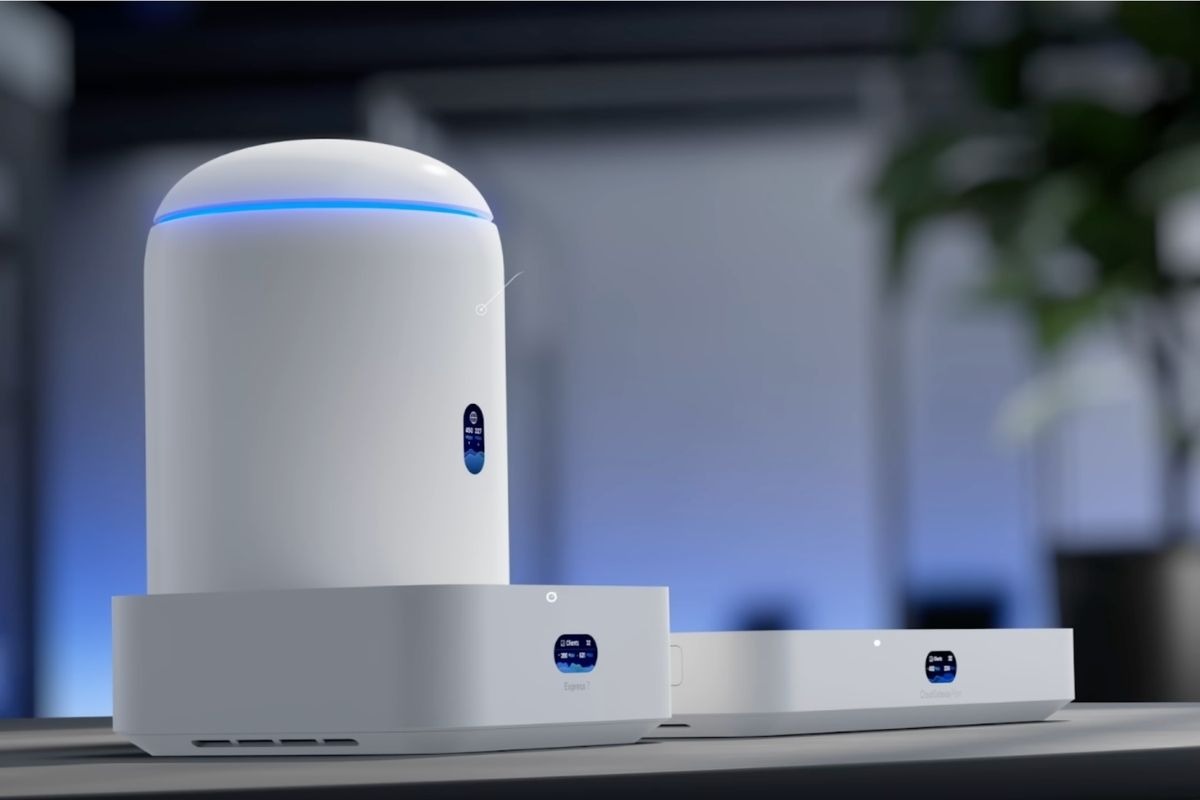
Thankfully, UniFi’s Cloud Gateways were designed for exactly that - and a whole lot more.
Metrics like speed and coverage tend to dominate most WiFi conversations.
But security isn’t a performance metric.
It’s an architectural decision - and it lives at the gateway.
The gateway is the control centre of your network. It determines how traffic flows, how devices communicate, what’s allowed in and what stays out. It applies firewall rules, monitors activity and separates users into defined environments.
Without that level of control, your network is effectively operating on trust.
And trust is not the same as security.
A well-designed network is deliberate about who and what gets access - and segmentation simply means digital access control.
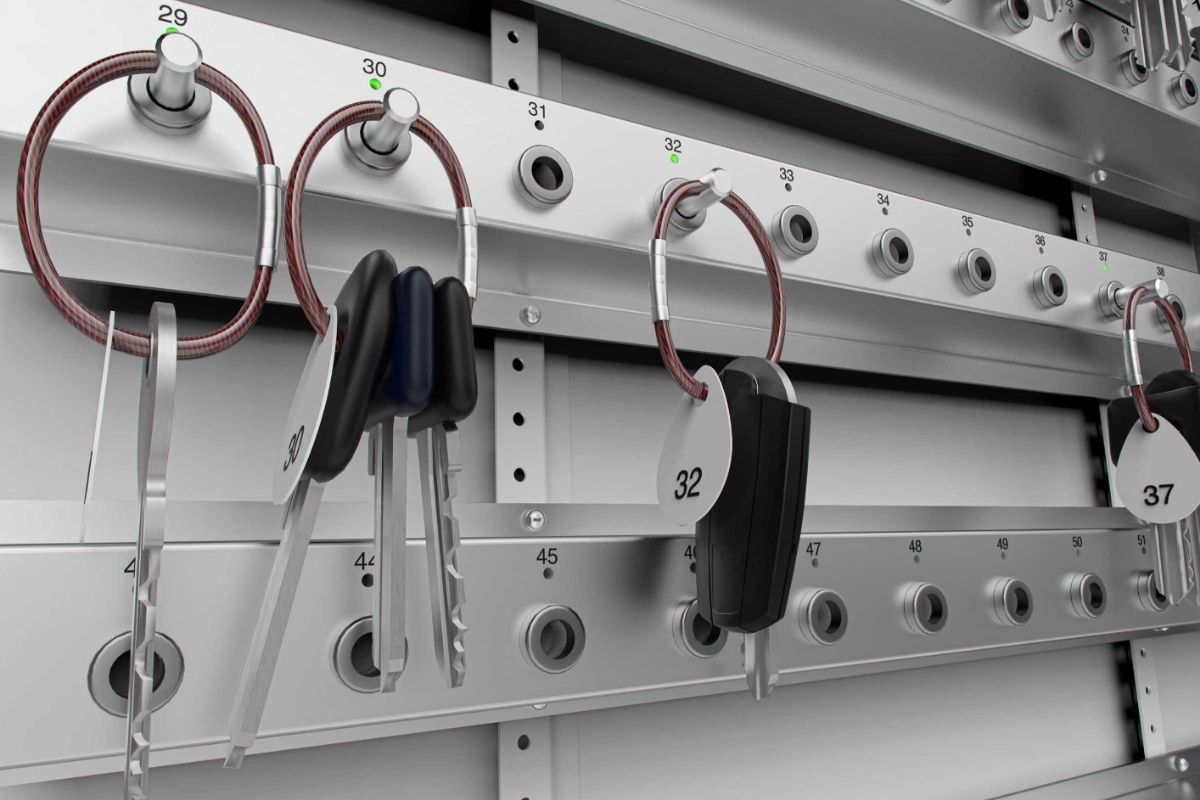
Just as you wouldn’t give every visitor keys to your entire building, you shouldn’t allow every device to communicate across your entire network.
Your automation systems don’t need to sit alongside guest devices.
Your CCTV infrastructure shouldn’t share a network with general browsing.
Business systems shouldn’t be accessible from visitor logins.
A properly configured guest network isolates visitors entirely. They have internet access - nothing more.
It’s a simple structural decision with significant impact.
Over and over, we find that once segmentation is implemented, blind spots disappear and control comes back into the hands of the owner.
In environments where performance and protection matter - which, let’s face it, is probably every building you step inside - your network shouldn’t be treated as an afterthought.
It should be treated as the foundation everything else relies on.
The UniFi Cloud Gateway is built for spaces that demand more - from high-performance homes to commercial buildings and shared environments. It delivers;
And like every UniFi product, the Cloud Gateway integrates seamlessly into the wider ecosystem. Networking, CCTV, access control and cloud management - all operating through one unified interface.
We’re talking security, connection and style all wrapped into one.
If you think we’re passionate about network security, you’re absolutely right.
It’s become one of our most in-demand services across the Gold Coast - and when everything depends on your network, understanding it is no longer optional - it’s essential.